Inch Loss Programme
Targeted, non-surgical sessions measured in centimetres at the areas that bother you.
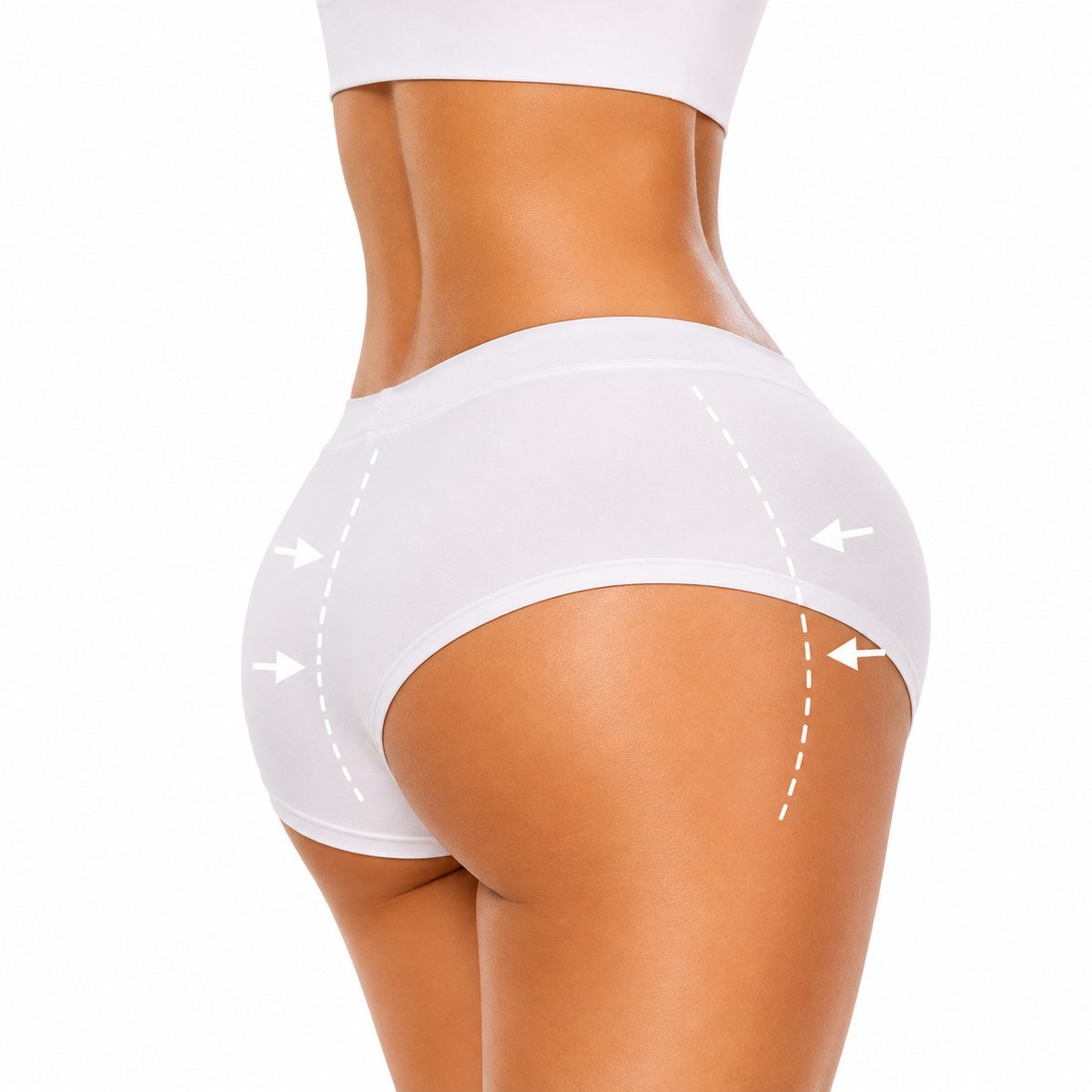
A course of device-based sessions — ultrasound cavitation with radiofrequency, chosen at assessment — aimed at specific areas such as the tummy, hips, arms and thighs. Progress is measured with a tape at fixed points at every visit, because centimetre change at the treated area, not the bathroom scale, is what these sessions are for. It works alongside a weight plan; it does not replace one. Also searched as slimming treatment, inch loss therapy, tummy or stomach fat reduction and thigh fat reduction — the same targeted, non-surgical sessions.
What you’ll notice
How the visit works
Consult
A relaxed, complimentary conversation and skin assessment with a physician.
Plan
A transparent, personalised plan with clear pricing and realistic outcomes.
Treat
Your treatment in a calm, medical-grade suite with comfort at its core.
Glow
Aftercare and follow-ups to protect and extend your results.
How it works
- Low-frequency ultrasound disrupts superficial fat cells in the treated area
- Radiofrequency warms the deeper skin layer, encouraging firmness as the circumference reduces
- The released fat is cleared gradually through your own metabolism, which is why change builds across a course
- Tape measurements at fixed points every visit keep the course honest
Sessions & downtime
Courses commonly run 8–10 sessions, weekly or fortnightly, each lasting 30 to 45 minutes. The course for your areas is set at the assessment, and the tape at each visit shows whether it is earning its place.
None. Most people describe warmth during treatment and return to their day straight away. Mild redness at the area can occur and settles within hours.
Is this suitable for Indian skin?
These devices do not target pigment, so the melanin-related risks that apply to lasers are not a concern here. Radiofrequency settings are still built up gradually across the course, and anything beyond comfortable warmth is adjusted rather than endured.
Aftercare
- Drink water normally and stay lightly active — the cleared fat leaves through your own metabolism
- Keep the session spacing — stacking sessions closer together does not speed the result
- Hold your weight steady: these sessions shape an area, they cannot offset weight gain
- Tell us about any redness or tenderness that lasts beyond a day, rather than waiting for the next visit
When we would not treat
- Pregnancy and breastfeeding
- Active infection, a rash or broken skin at the treatment area
- A hernia at or near the area being treated
- Significant weight to lose — the medical weight programme comes first, and inch-loss sessions join it only where they genuinely help
Concerns this treats
Frequently asked
How is inch loss different from weight loss?
Weight loss changes what the whole body carries; inch loss changes the measurement at a specific area. They solve different problems, which is why your plan is explicit about which is doing what — and why inch-loss sessions are never sold as a substitute for treating weight medically.
How many sessions will I need?
Commonly 8–10 per area, weekly or fortnightly, confirmed at the assessment rather than quoted blind. If the tape has not moved by mid-course, we say so and rethink instead of selling you the rest.
What does it cost?
Sessions start at ₹2,000 and are paid per session — there is no package to sign upfront. The course for your areas is set after the doctor's assessment, in writing.
Will the inches stay off?
The change holds while your weight holds. These sessions reduce a measurement at an area — they do not protect against future weight gain, and any clinic promising permanent inch loss is promising more than the treatment does.
Does it hurt?
No — sessions feel like warmth and mild pressure, and no anaesthetic is involved. Anything beyond comfortable is a settings adjustment, not something to sit through.
Which areas can be treated?
Tummy, flanks, hips, thighs, upper arms and the back are the usual ones. Whether your area is suitable — and whether it needs this or something else entirely — is what the assessment decides.
This page is educational and does not replace an in-person consultation. Medical disclaimer
The body programme
Medical Weight Loss
Physician-led weight & inch-loss plans
Learn more →Body Composition Analysis
A proper measurement of fat, muscle and water — the honest starting point for any body plan.
Learn more →Body Contouring
Non-surgical shaping for the areas that keep their shape whatever the scale says.
Learn more →Cryolipolysis (Fat Freezing)
Controlled cooling for pinchable fat pockets — honest about its real limits.
Learn more →Ultrasound Cavitation
Low-frequency ultrasound that shrinks superficial fat gradually, across a measured course.
Learn more →Stretch Mark Treatment
Flatter, smoother, less noticeable marks — improvement, never removal.
Learn more →