Stretch Mark Treatment
Flatter, smoother, less noticeable marks — improvement, never removal.
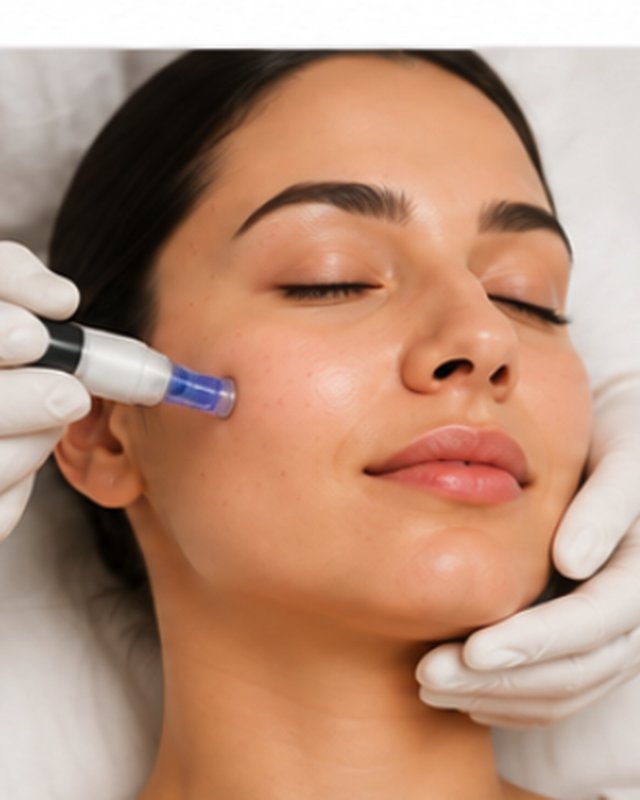
Stretch marks are small tears in the skin's deeper layer, left by rapid stretching — pregnancy, growth spurts, weight change. No cream or machine removes them, and we will not pretend otherwise. What honest treatment does is make them flatter, smoother and closer to your skin tone, using microneedling, fractional laser or radiofrequency staged across a course. Newer red or purple marks respond better than mature white ones.
What you’ll notice
How the visit works
Consult
A relaxed, complimentary conversation and skin assessment with a physician.
Plan
A transparent, personalised plan with clear pricing and realistic outcomes.
Treat
Your treatment in a calm, medical-grade suite with comfort at its core.
Glow
Aftercare and follow-ups to protect and extend your results.
How it works
- Controlled micro-injury inside the mark triggers fresh collagen where the deeper layer tore
- Across a course the marks flatten, soften and blend closer to the surrounding skin
- Red or purple marks are biologically fresher and remodel more readily than white ones
- Progress is judged on comparison photographs, because day-to-day mirrors deceive
Sessions & downtime
Commonly 3–6 sessions spaced four to six weeks apart, set after the doctor sees the marks. Newer red or purple marks respond better than mature white ones — older marks can still improve, just more slowly and more modestly.
A day or two of redness and mild sensitivity after needling-based sessions; laser sessions can add light flaking for a few days. Body areas are easy to cover while they settle.
Is this suitable for Indian skin?
In deeper skin tones the real risk with needling and laser work is post-inflammatory pigmentation, not the marks worsening. Settings are conservative, courses are staged rather than aggressive, a patch test comes first where laser is used, and sun protection on exposed treated areas is part of the plan.
Aftercare
- Keep the area clean and moisturised while it settles; skip actives for a few days after each session
- Sun protection on exposed treated areas — preventing pigmentation is half the result in deeper skin tones
- No scrubbing, and no picking at any flaking skin
- Expect gradual blending in the weeks after each session, not an overnight change
When we would not treat
- Pregnancy — new marks are common late in pregnancy, and treatment waits until after delivery
- Breastfeeding — some modalities are deferred; the assessment maps what can start now and what waits
- Active infection, an eczema flare or broken skin over the marks
- Recent isotretinoin use, or a strong tendency to keloid scarring — assessed individually
Concerns this treats
Frequently asked
Can stretch marks be removed completely?
No — a stretch mark is a scar in the deeper layer of the skin, and no technology erases scars. Realistic treatment makes marks flatter, smoother and much less noticeable. A clinic promising removal is promising something dermatology cannot deliver.
Which treatment works best for stretch marks?
It depends on the marks' age and colour, where they sit, and your skin tone. Microneedling is often the first choice in deeper skin tones, with fractional laser or radiofrequency where the assessment supports them. The plan is chosen for your marks, not off a menu.
What does it cost?
It depends on the size of the area and the modality the assessment recommends, so the figure is quoted after the doctor sees the marks — per session, so you can stop at any point, rather than as a package.
Do old white stretch marks improve?
They can, though more slowly and more modestly than newer red or purple ones. At the assessment we say plainly what your marks are likely to give back before you commit to a course.
Is treatment safe on brown skin?
Yes, with the right modality and conservative settings. The risk to manage in deeper tones is post-inflammatory pigmentation, which is why courses are staged, laser work is patch-tested first and sun protection is treated as part of the treatment.
When should post-pregnancy marks be treated?
After delivery, and for some modalities after feeding has finished. Marks also fade naturally from red towards white over the first year, so the assessment weighs timing honestly rather than rushing you in.
This page is educational and does not replace an in-person consultation. Medical disclaimer
The body programme
Medical Weight Loss
Physician-led weight & inch-loss plans
Learn more →Body Composition Analysis
A proper measurement of fat, muscle and water — the honest starting point for any body plan.
Learn more →Inch Loss Programme
Targeted, non-surgical sessions measured in centimetres at the areas that bother you.
Learn more →Body Contouring
Non-surgical shaping for the areas that keep their shape whatever the scale says.
Learn more →Cryolipolysis (Fat Freezing)
Controlled cooling for pinchable fat pockets — honest about its real limits.
Learn more →Ultrasound Cavitation
Low-frequency ultrasound that shrinks superficial fat gradually, across a measured course.
Learn more →