Comedonal acne
Blackheads and whiteheads, usually across the forehead, nose and chin, with little redness.

Acne is a condition of the oil gland and hair follicle, not a hygiene problem. It responds best when the type is identified first — comedonal, inflammatory, hormonal or cystic — because each is managed differently. In Chennai's humidity, sweat and sun exposure commonly worsen it, and treatment usually combines medical therapy with in-clinic procedures over several weeks.
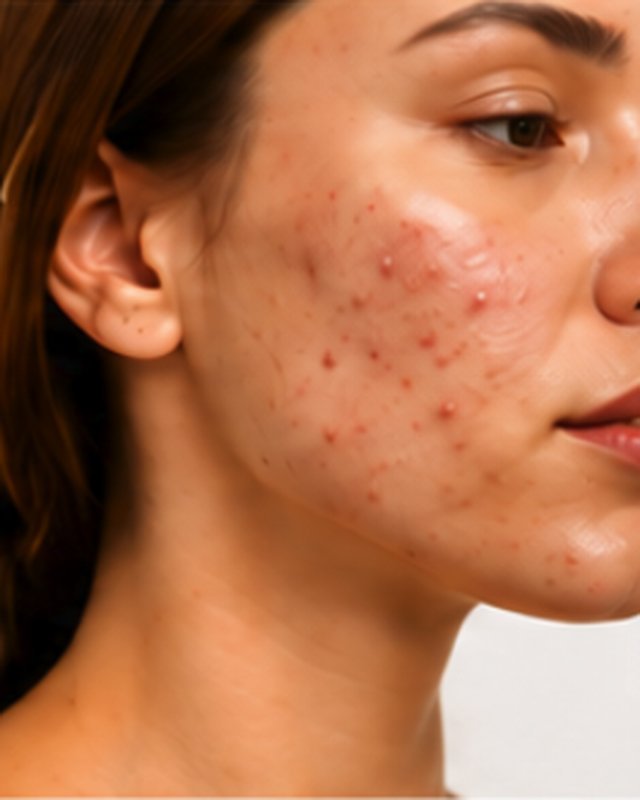
Identifying the type matters, because each is treated differently.
Blackheads and whiteheads, usually across the forehead, nose and chin, with little redness.
Red, tender papules and pustules — the type most people mean by 'pimples'.
Typically along the jawline and lower face, often flaring on a monthly cycle and common in adult women.
Deep, painful lesions that rarely come to a head. This type scars most readily and needs medical review early.
Topical retinoids, benzoyl peroxide, azelaic acid or a course of oral medication where indicated. This is what actually controls active acne; procedures support it.
Salicylic or mandelic peels help clear comedones and reduce surface inflammation. Typically a short course, spaced a few weeks apart.
Dark marks left after a lesion clears (post-inflammatory hyperpigmentation) are treated separately from active acne, and fade gradually with sun protection and pigment-directed care.
True scars are addressed only once acne is controlled — treating scars while lesions are active gives unreliable results.
Most patients see meaningful change over 8–12 weeks, because the follicle cycle takes that long to turn over. Early improvement in redness can appear sooner, but judging a plan before two months is usually premature.
Diet is not the primary driver. Evidence most consistently implicates high-glycaemic foods and, in some people, skim milk — but hormones, sebum and follicular blockage matter far more than fried food.
If lesions are deep and painful, leaving marks or scars, or over-the-counter products have not helped in 6–8 weeks, a medical assessment is worthwhile — early treatment is what prevents scarring.
Acne is a chronic condition, so recurrence is possible, particularly where hormones drive it. Most plans include a maintenance stage precisely to reduce that risk.
This page is educational and does not replace an in-person consultation. Medical disclaimer · How we write our content