
Melasma, heat and humidity: why Chennai makes it worse
Melasma is hormonally-driven pigmentation — soft brown patches on the cheeks, forehead and upper lip. Chennai hits it three ways at once: year-round UV, visible light, and heat itself, each of which stimulates the overactive pigment cells. That triple exposure is why melasma relapses so readily here — and why honest treatment aims at control and maintenance, not a one-time cure.
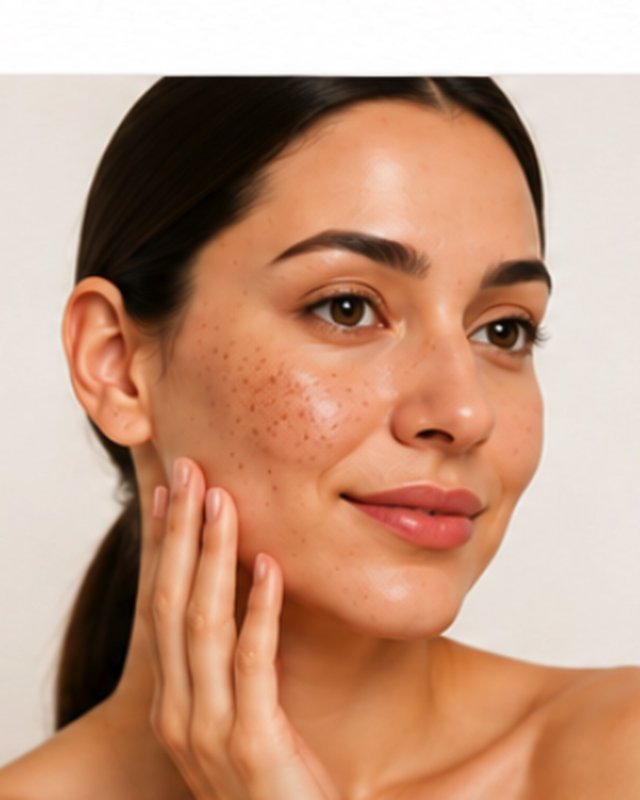
What melasma is — and isn't
Melasma is a pigment-regulation disorder: hormone-sensitised melanocytes that over-respond to light and heat. It typically appears symmetrically on the cheeks, forehead, upper lip or jawline, often first during pregnancy or after starting hormonal medication.
It is not dirt, not a liver problem in most cases, and not ordinary tanning — which is why de-tan facials and scrubbing do nothing except irritate it darker.
The Chennai triple-hit
UV: intense and year-round at this latitude — the primary driver, active even on cloudy days. Visible light: the daylight itself, which most sunscreens ignore, measurably stimulates melasma in deeper skin tones — this is why iron-oxide tinted sunscreens outperform clear ones for this condition.
And heat: infrared warmth alone can trigger the pigment cells, no light needed. A two-wheeler commute, a kitchen over a hot stove, an afternoon errand — each is a small melasma stimulus. Patients often notice flares in summer without a minute of deliberate sun.
Why it keeps coming back
Melasma is chronic and relapsing by nature — the melanocytes stay sensitised even when the patches fade. Stop protecting, and the triggers rebuild the pigment within weeks; hormonal shifts can restart it regardless.
This is the honest framing that every effective plan is built on: treatment clears and controls melasma, maintenance keeps it controlled. Clinics promising permanent removal are promising something the biology does not offer.
What actually controls it
A tinted, broad-spectrum sunscreen worn daily and reapplied — for melasma this is treatment, not skincare. Prescribed pigment-directed topicals doing the steady work. Gentle, properly-spaced chemical peels to accelerate clearing. And a maintenance phase built into the plan from day one.
Physical habits count double here: shade-side walking, a scarf or visor on the two-wheeler, and managing heat exposure — unfashionable advice that outperforms expensive procedures done without it.
What quietly makes it worse
Steroid-containing fairness creams — the commonest self-inflicted wound we see: brief lightening, then rebound darkening plus thinned skin. Aggressive lasers and deep peels, which can inflame melasma darker — this condition punishes aggression. Scrubbing, hot-water face washing, and steam facials — heat again.
If a treatment plan for melasma sounds dramatic, that is usually a warning sign rather than a promise.
Living with it in this climate
Managed well, melasma fades to the point where it stops dictating anything — makeup optional, confidence back. The patients who get there share the same profile: consistent sunscreen, patient topicals, gentle in-clinic work, and maintenance they actually keep.
It is a marathon condition in a hot city. The plan that respects that wins; the miracle promise relapses by next summer.
Frequently asked
Is melasma curable?
It is controllable, not curable — the pigment cells stay sensitised for life, so treatment clears the patches and maintenance keeps them away. Plans built on that honesty hold; permanent-removal promises relapse.
What is the best treatment for melasma?
No single one — the combination wins: daily tinted sunscreen, prescribed pigment-directed topicals, gentle peels where indicated, and a maintenance phase. Aggressive single-shot treatments frequently make melasma worse.
Does melasma mean something is wrong internally?
Usually not — hormones and light exposure explain most cases. Sudden extensive pigmentation with other symptoms is worth a medical review, and we screen for medication triggers at consultation.
Can laser remove melasma?
Aggressive lasers often darken it — melasma punishes inflammation. Low-energy laser approaches can play a supporting role inside a full plan, but they are never the plan by themselves.