“Skin whitening” vs what dermatology actually does
No treatment permanently changes the skin colour you were born with. What dermatology can do is reduce excess pigment — tanning, melasma, post-acne marks — so your skin returns towards its own natural, even tone. That distinction matters, because clinics promising permanent fairness are selling something no procedure delivers.
Constitutive vs facultative pigment
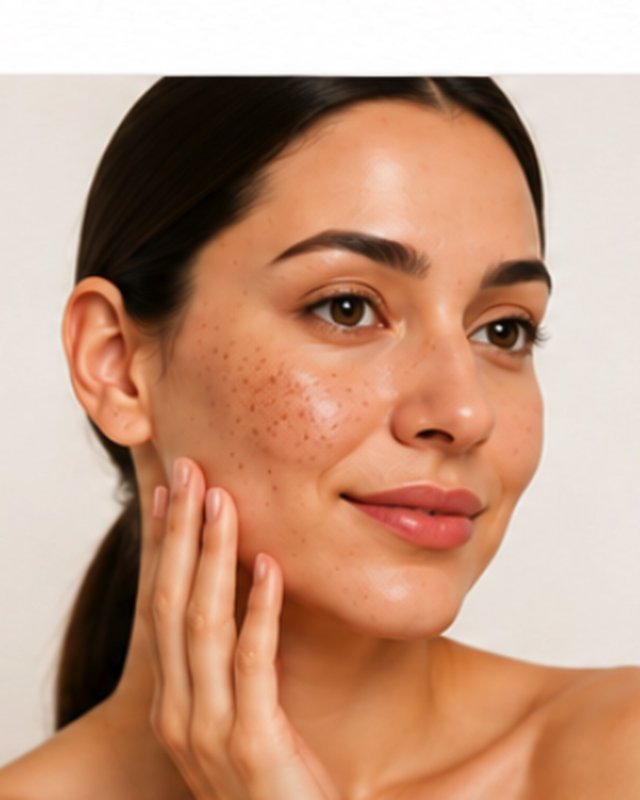
Dermatology separates two things. Constitutive pigment is your genetically determined baseline skin colour, set by how your melanocytes behave. Facultative pigment is the extra melanin produced in response to sun, inflammation or hormones — tanning, melasma, post-inflammatory marks.
Treatment works on the second and cannot change the first. Reducing facultative pigment often makes skin look noticeably brighter and more even, because you are removing what was added on top — but the baseline stays yours.
What the treatments actually do
Tyrosinase inhibition: agents that slow the enzyme driving melanin production, reducing new pigment while used.
Tan reversal: clearing accumulated UV-induced pigment, which is why results hold only alongside daily sun protection.
Post-inflammatory hyperpigmentation clearance: helping marks left by acne or injury resolve faster than they would alone.
Melasma suppression: melasma is chronic and relapsing. Treatment controls it; it does not cure it, and maintenance is part of every honest plan.
Why “permanent” is the warning sign
Melanocytes keep producing melanin for life. Stop sun protection and pigment returns; hormonal triggers can restart melasma regardless of what was done before.
Claiming permanence is also a regulatory problem in India — it is a misleading advertisement under consumer protection law, and the direction of travel on skin-fairness claims is tightening rather than loosening.
What to be careful with
Unregulated fairness creams sold without prescription have repeatedly been found to contain steroids or mercury. These cause skin thinning, steroid-induced acne, rebound darkening worse than the original problem, and in the case of mercury, systemic toxicity.
Intravenous glutathione is widely marketed for lightening. It has no approval for that indication in India, evidence for the claim is weak, and the CDSCO has warned about its use. Any pigmentation plan should be prescribed and monitored rather than bought off a shelf or a social media ad.
A realistic plan
Identify the type of pigmentation first — melasma, post-inflammatory marks and tanning look similar but respond differently. Then combine daily broad-spectrum sun protection, prescribed pigment-directed topicals, and in-clinic procedures where indicated, with a maintenance stage built in.
Expect gradual change over months, not days, and expect to keep protecting the result.
Two kinds of pigment, and only one of them moves
Dermatology separates the colour you were born with from the colour you have acquired.
The first is constitutive: your baseline, set by genetics and by how your pigment cells behave at rest. It is not a flaw and it is not a target. No cream, no drip, no laser and no peel changes it, and anyone telling you otherwise is describing something that has never been demonstrated.
The second is facultative: the extra melanin your skin produces in response to something — ultraviolet light, inflammation, hormones, friction. That layer was added on top, and because it was added, it can be reduced. When people say their skin looks dull, patchy, or like two different colours in two different places, this is almost always what they are describing.
Brightening is the work of reducing that added layer so your own even tone shows through. It is a real clinical objective, it is visible in comparison photographs, and it needs maintaining. That is the whole of it.
One cause that is entirely self-inflicted
Steroid-containing creams sold over the counter for fairness. They work briefly, which is precisely the trap. Then the skin thins, small vessels become visible, acne arrives, and the pigment rebounds darker than it started — at which point the same cream gets used more, because it is the only thing that ever appeared to do anything.
The same applies to lemon juice, baking soda and toothpaste. All of them are irritants; irritation causes inflammation; and inflammation in Indian skin causes pigmentation. Every one of these remedies reliably produces more of the exact problem it was reached for.
Frequently asked
Is permanent skin whitening possible?
No. No treatment permanently alters your constitutive skin colour. Treatments reduce excess pigment such as tan, melasma and post-acne marks, which makes skin look brighter and more even — but the effect requires maintenance and sun protection.
Can I become several shades fairer?
Claims like "three shades lighter" are marketing, not clinical outcomes. Realistically, evening out excess pigment reveals your natural tone; it does not change your baseline complexion.
Are glutathione injections safe for skin lightening?
IV glutathione has no approval for skin lightening in India, the evidence for the claim is weak, and regulators have cautioned about its use. We do not recommend it as a lightening treatment.
What actually works for dark patches?
Correct diagnosis first, then daily broad-spectrum sunscreen, prescribed pigment-directed topicals, and procedures such as peels where appropriate — with a maintenance plan, since pigmentation commonly recurs.
Why can't any treatment change my natural skin colour?
Because your baseline colour is constitutive — set by genetics and by how your pigment cells behave at rest. What treatment can reduce is facultative pigment: the extra melanin added by sun, inflammation, hormones or friction. That added layer is what makes skin look patchy or uneven, and it is the only layer that moves.
Are fairness creams from the pharmacy safe to use?
Many contain steroids, and they are the most common cause of damaged skin we see. They work briefly, then the skin thins, vessels become visible, acne appears and the pigment rebounds darker than it started. Lemon juice, baking soda and toothpaste cause the same problem by a different route — they irritate, irritation inflames, and inflammation in Indian skin makes pigment.