
Straight answers before you book
What each treatment does, what it cannot do, and what to ask. Written by our clinical team in Chromepet, Chennai, for Indian skin and hair.
Sessions, safety, side effects and what to expect.
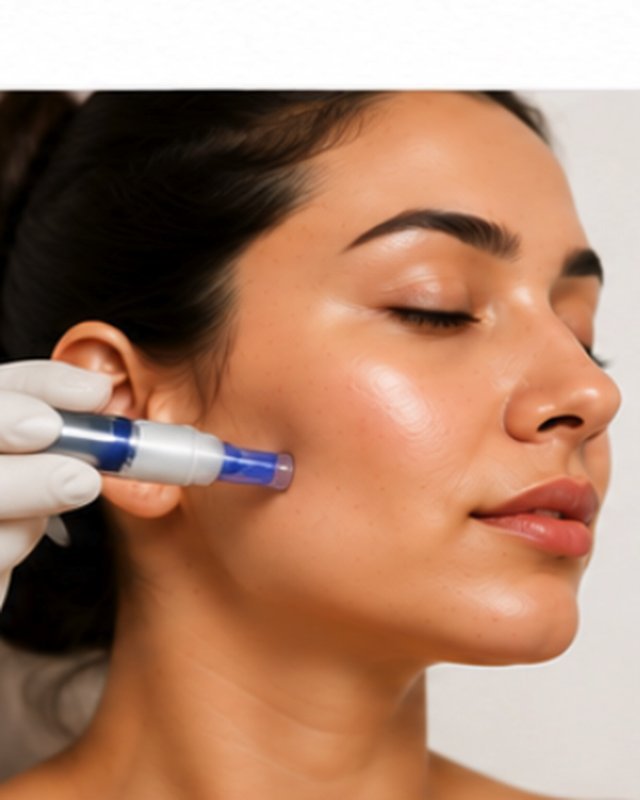 Laser hair removal
Is laser treatment safe for Indian skin?
Laser treatment is safe for Indian skin when the wavelength and settings are chosen for deeper skin tones.
Read the guide →Laser hair removalHow many laser hair removal sessions do you actually need?
Most body areas need six to eight sessions, spaced four to eight weeks apart, for a substantial and lasting reduction.
Read the guide →Laser hair removalPre- and post-laser care: before and after your session
Good laser results are made in the days around each session.
Read the guide →Laser hair removalLaser hair removal side effects: the complete, honest list
Every laser hair removal session causes redness and small raised bumps around each The same question is asked as laser hair treatment side effects, laser epilation side effects, laser waxing side effects and laser hair reduction side effects — it is one treatment and the answer below covers all of them.follicle — perifollicular oedema — which settle within hours.
Read the guide →Laser hair removalIs laser hair removal permanent? The honest answer is no
No.
Read the guide →Laser hair removalHow to choose a laser hair removal clinic in Chennai
Judge a laser clinic on five things: which wavelength they will use on your skin type and why, who physically operates the device, whether they patch test and review it, what the whole course costs rather than the first session, and what they will tell you they cannot treat.
Read the guide →Laser hair removalIs laser hair removal safe?
Yes, for most people, when the wavelength and settings are matched to your skin type and a patch test is done first.
Read the guide →Laser hair removalLaser hair removal results, session by session
Expect very little in the first two weeks, then shedding that looks like regrowth but is not.
Read the guide →Acne, marks, melasma, peels, facials and sunscreen.
 Skin & pigmentation
“Skin whitening” vs what dermatology actually does
No treatment permanently changes the skin colour you were born with.
Read the guide →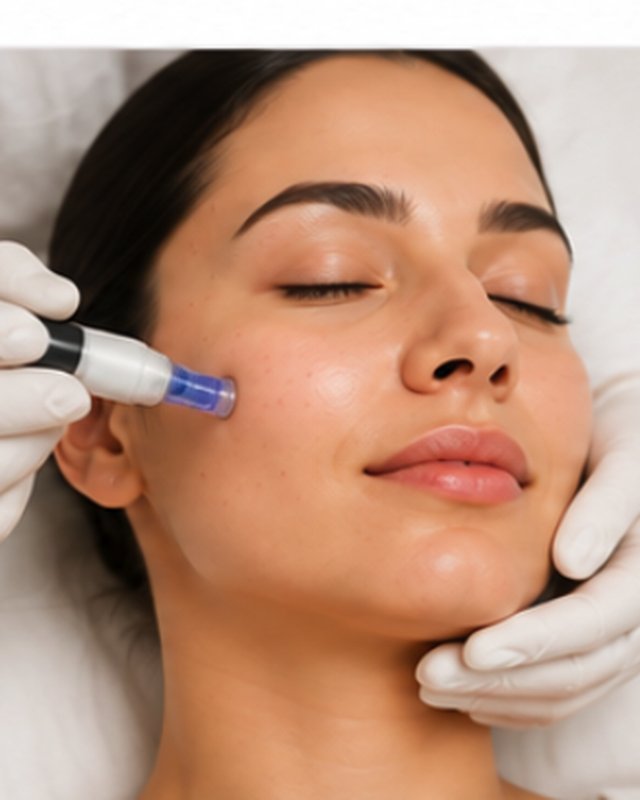 Skin & pigmentation
The 5 types of acne scars — and what treats each
Acne scars come in five types: ice pick, boxcar and rolling scars, which are depressed, and hypertrophic and keloid scars, which are raised.
Read the guide →Skin & pigmentationGlutathione injections for skin lightening: what the evidence shows
Intravenous glutathione is not approved for skin lightening in India, and the clinical evidence behind the claim is weak — small, short studies showing at most temporary change.
Read the guide → Skin & pigmentation
The 6-month bridal skin prep timeline
Bridal skin comes from sequencing, not from one grand facial the week before.
Read the guide →Skin & pigmentationDark neck and underarms: what actually causes them
A dark neck or dark underarms is almost never a hygiene problem — and scrubbing harder reliably makes it worse.
Read the guide →Skin & pigmentationPCOS: what it does to your skin and hair
PCOS shows up on skin and hair in four ways: coarse facial hair, thinning scalp hair, stubborn jawline acne and dark velvety patches on the neck.
Read the guide →Skin & pigmentationSunscreen for Indian skin: SPF, PA+++ and what actually matters
Yes — Indian skin needs sunscreen, just for different reasons than fair skin.
Read the guide →Skin & pigmentationPIH: why Indian skin darkens after pimples, burns and treatments
Post-inflammatory hyperpigmentation (PIH) is the flat dark mark left behind after any inflammation — a pimple, a burn, a waxing strip, an over-aggressive treatment.
Read the guide →Skin & pigmentationMelasma, heat and humidity: why Chennai makes it worse
Melasma is hormonally-driven pigmentation — soft brown patches on the cheeks, forehead and upper lip.
Read the guide →Skin & pigmentation7 Botox myths Indian patients still believe
Botox carries more myths than almost anything we offer.
Read the guide → Skin & pigmentation
Chemical peel strengths explained: glycolic, salicylic, mandelic, TCA
"Chemical peel" covers everything from a lunchtime glow refresh to a medium-depth resurfacing with real downtime — the acid and its strength decide which one you're getting.
Read the guide →Skin & pigmentationHydraFacial: what actually happens in the 45 minutes
A HydraFacial is a machine-guided facial in four stages — cleanse and light peel, vortex extraction, serum infusion, and protection — about 45 minutes, zero downtime.
Read the guide →Skin & pigmentationFiller safety: vascular risk, dissolvers and choosing an injector
Fillers are safe in trained medical hands — and the rare serious complication, vascular occlusion, is exactly why they belong only in trained medical hands.
Read the guide →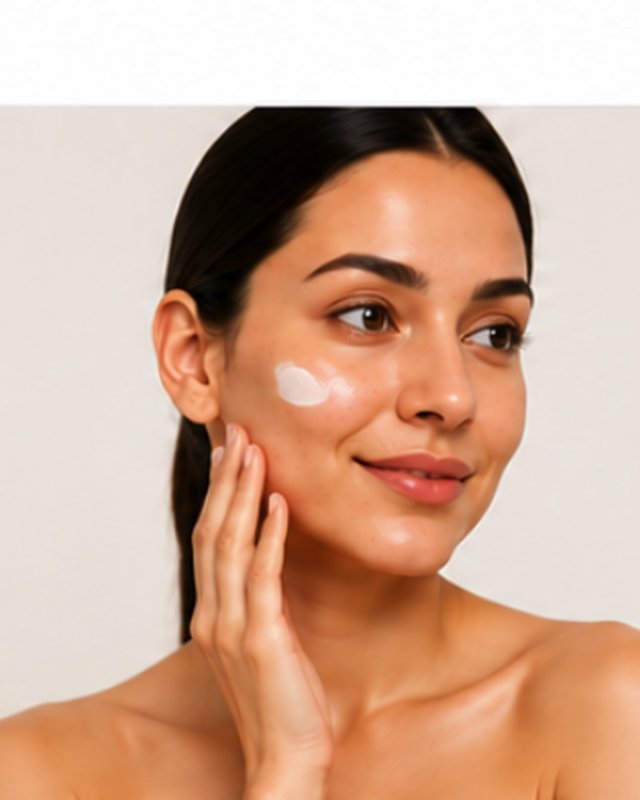 Skin & pigmentation
A dermatologist's skincare routine for Chennai's heat and humidity
Chennai skin lives between humidity, sweat, harsh sun and office air-conditioning — so the routine that works here is light, layered and boring: gel cleanser, light moisturiser and serious sunscreen by day; cleanse properly and repair by night.
Read the guide →Skin & pigmentationWhat Chennai's water actually does to your skin and hair
Hard water leaves mineral deposits on hair and skin and makes soap harder to rinse, which produces dull, rough, tangle-prone hair and tight, itchy skin.
Read the guide →Why hair falls, what tests matter and what helps.
 Hair fall
 vs hair loss: when should you see a doctor?
Everyone sheds 50 to 100 hairs a day — that is hair fall, part of the normal growth cycle, and those hairs regrow.
Read the guide →Hair fallThe blood tests every hair loss patient should get
Most stubborn hair fall has a measurable driver, and a short blood panel finds it: ferritin (iron stores), thyroid function, vitamin D and B12 — with hormone testing added for women with irregular cycles.
Read the guide →How medical weight management works and who it suits.
 Weight & health
Weight loss medicine in India, and what comes before it
Prescription medicine has a place in weight management for some people, decided by a doctor after an assessment and monitored afterwards.
Read the guide →Weight & healthWhat actually happens in medical weight management
It starts by finding out why the weight is there before deciding what to do about it.
Read the guide →Weight & healthWhich blood tests actually matter for weight gain
Thyroid function is the first test worth doing, because an underactive thyroid is a treatable cause that no plan corrects.
Read the guide →Weight & healthWhy your waist tells you more than your BMI
BMI is a ratio of weight to height and knows nothing about what that weight is made of or where it sits.
Read the guide →Weight & healthA safe rate of change, and why faster is not better
A commonly used guide is around half a per cent to one per cent of body weight a week, and around five to ten per cent of starting weight across roughly six months as a first goal.
Read the guide →Weight & healthWhy weight comes back, and what changes that
Regain is common, it is physiological, and it is not a character failure.
Read the guide →Weight & healthWeight, and eating in Chennai
Rice is not the enemy and does not need removing.
Read the guide →Weight & healthHow to choose a weight loss clinic in Chennai
Judge a weight clinic on five things: whether a doctor assesses you before anything is planned, whether blood work is part of that assessment, what is prepaid, what they measure at review, and what they refuse to promise.
Read the guide →Weight & healthIs medical weight management safe?
A supervised programme is safe for most people, and the monitoring is the reason.
Read the guide →Weight & healthWeight and type 2 diabetes
Weight around the abdomen and type 2 diabetes are linked through insulin resistance, and the relationship runs both ways.
Read the guide →Weight & healthWeight and fatty liver
Fat accumulating in the liver is common in people carrying weight around the abdomen, and it usually causes no symptoms at all.
Read the guide →Weight & healthWhen a medicine you take is causing the weight
Several commonly prescribed medicines cause weight gain in their own right — steroids, and a number used for mood, psychiatric conditions, epilepsy and diabetes among them.
Read the guide →How to check a doctor and what a first visit involves.
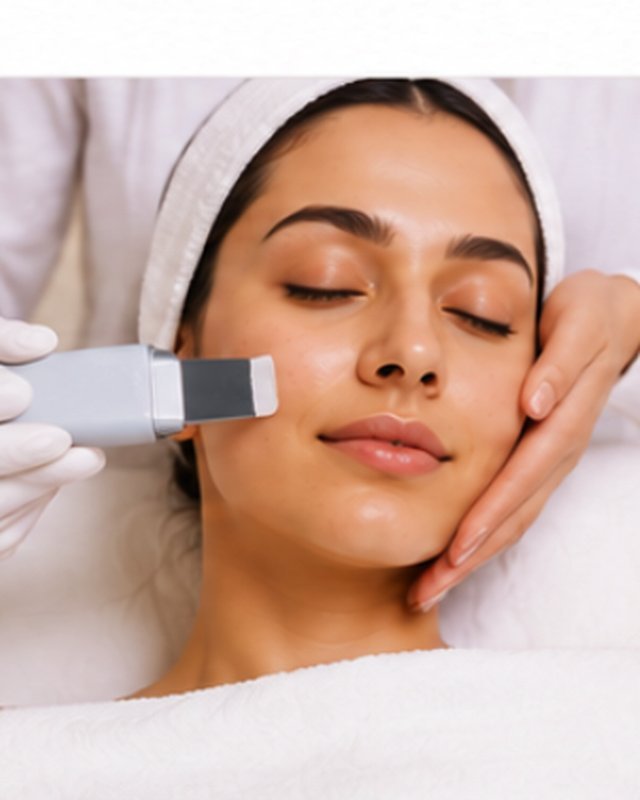 Choosing a clinic
How to choose a skin doctor in Chennai
Choosing a skin doctor comes down to four checks: confirm the qualification is a recognised dermatology degree, verify registration with the Tamil Nadu Medical Council, ask who actually performs the procedure, and check the device settings are chosen for your skin type.
Read the guide →Choosing a clinicYour first skin or hair consultation: what to expect
A good first consultation is an examination and a plan — not a sales pitch.
Read the guide →Your skin & laser clinic in Chromepet, Chennai
Easy to reach from Tambaram, Pallavaram, Chitlapakkam and all along GST Road. Walk-ins welcome, but booking gets you a slot without waiting.
Kremlin AestheticsSecond Floor, Sharmila Street, Kamakshi Colony, Chromepet, Chennai 600047
Near KFC, behind Croma · Tambaram Sanatorium
Tuesday – Sunday · 10 AM – 8 PMMonday · closed
Patients come to us from
Pick your area for the route, parking and the best time to visit.
Book your FREE consultation
Read what you need, then let the doctor examine your skin or hair and tell you what will work. No obligation.